



You have real-time inventory. Why are stores still out of stock?
Most large retailers today operate with continuous inventory visibility across stores and warehouses. Stock positions are no longer the constraint. Yet availability at the store level remains inconsistent. The breakdown begins when inventory is treated as a static position instead of a moving system. Store …

How retailers allocate new SKUs without historical sales data (retail allocation guide)
Allocation becomes straightforward once demand patterns are established. Retailers can analyze past demand, identify which stores sell faster, and distribute inventory accordingly. But the real challenge appears when a new SKU launches. A retailer must decide: which stores should receive the product how much inventory …

How leading retailers forecast demand at store-SKU Level
Retail demand rarely behaves the way forecasts expect. A product that sells out in one store may move slowly in another. A sneaker that is popular near a university may sit unsold in a corporate district. A promotion that drives strong demand in one city …

Best Practices for VM Checklists in Large Retail Networks
As retail networks grow, most Visual Merchandising challenges don’t start with execution. They start with the checklist. At 5 or 10 stores, almost any VM checklist works. At 50 stores, cracks begin to show. At 100+ stores, the same checklist that once felt “detailed” starts …

Real-Time VM Alerts vs Manual Audits
Across the retail networks we work with at HipHip, one pattern shows up again and again: VM issues are rarely invisible. They are simply discovered after the damage is done. By the time a regional manager notices a problem, the campaign is already live. By …
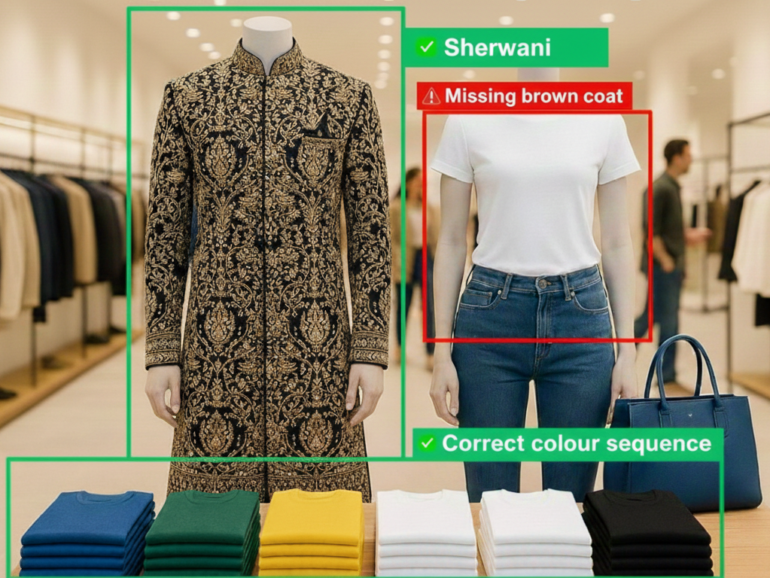
How to Ensure VM Compliance Across Stores Using AI
For most retail leaders, Visual Merchandising compliance breaks for a simple reason: scale. What works across 10 stores starts breaking at 50. What looks manageable at 100 stores becomes chaotic at 300. And beyond that, VM compliance turns into a constant cycle of audits, escalations, …
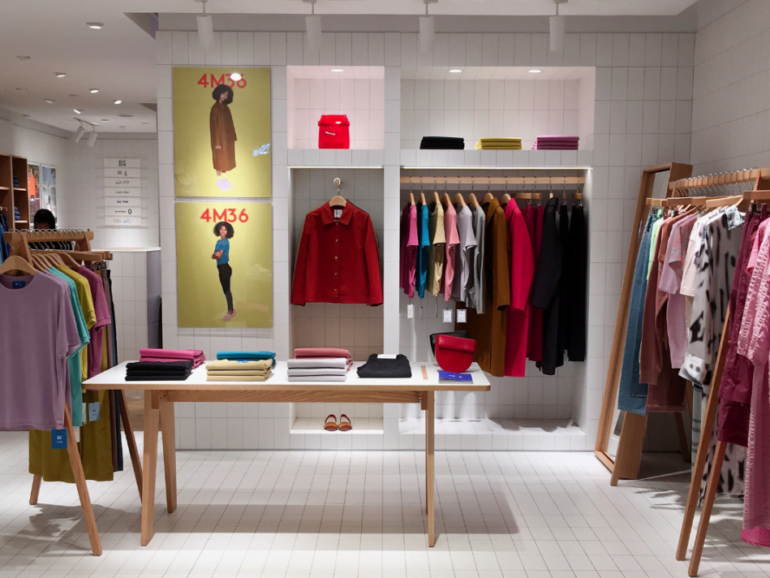
How to Improve VM Execution in Retail Stores
Walk into the head office of almost any retail brand and you’ll find the same confidence. “We have very detailed VM guidelines.” “We share clear checklists with stores.” “Our teams know what to do.” Now walk into ten random stores from the same brand. You …

Why Gamification Matters in VM Execution
Most VM breakdowns are not caused by a lack of guidelines. They are caused by a lack of readiness. Across large retail networks, VM standards are usually well defined. Visuals are approved centrally, planograms are shared, and checklists are distributed. Yet execution still varies widely …

VM Reporting & Dashboards (What it should look like for retail leaders)
Most retail organizations already have VM reports. What they often lack is VM visibility. Spreadsheets, audit scores, and regional summaries are routinely shared upward. Yet at the executive level, these reports rarely answer the questions that matter most: Where are we structurally breaking? Why do …

How Brands Reduce VM Errors Using Visual Examples
Most visual merchandising failures do not stem from a lack of guidelines. In large retail organizations, VM manuals are typically detailed, well designed, and regularly updated. Yet execution errors remain persistent across stores and campaigns. Based on our experience working with multi-store retail networks, the …
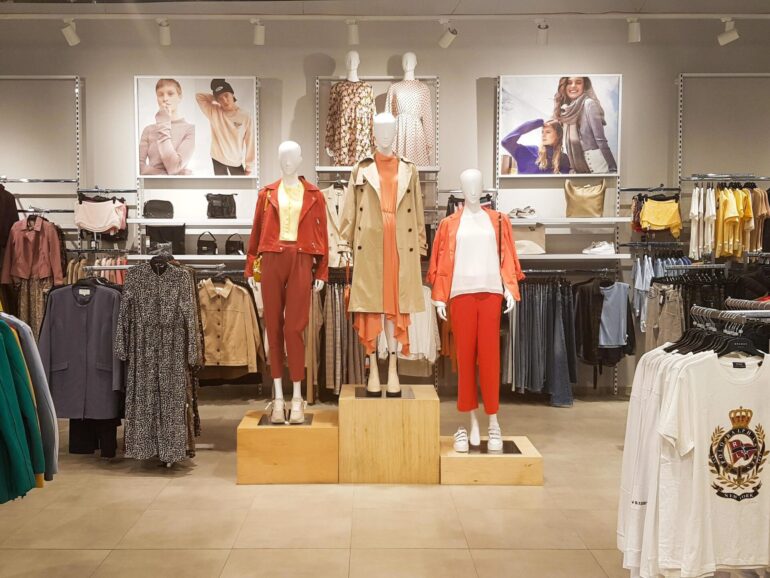
Why VM Guidelines Break Across Multi-Store Retail
Visual Merchandising guidelines are rarely unclear. In most retail organizations, VM playbooks are well documented, brand-aligned, and centrally approved. Yet as store count scales, execution quality consistently degrades. What looks consistent at headquarters fragments across regions, formats, and store teams. Based on our experience working …

Relationship Between Staff Stress and NPS Decline
Customer experience is often discussed in terms of layout, assortment, pricing, or service design. In practice, one of the strongest drivers of experience sits much closer to daily execution: staff stress. Across large retail networks, fluctuations in Net Promoter Score frequently track less with customer …

NPS Should Be Measured by Time, Not Just by Store
Net Promoter Score has become a standard health metric across retail networks. Most leadership teams review it by store, by region, or by format, looking for persistent underperformers or best-in-class locations. While useful, this view is incomplete. Based on our experience working with large, multi-store …

Retail’s blind spot: Why sales are lost before shelves go empty
Inventory replenishment is rarely a planning problem. In most retail networks, assortment planning, reorder logic, and warehouse availability are already in place. Yet shelves still go empty. Replenishment breakdowns rarely start at the warehouse. They start at the moment a shelf begins to drift out …

Why Help Requests Go Unnoticed on the Shopfloor
Most retailers assume that when customers need help, they ask for it. Across large store networks, this assumption quietly drives avoidable revenue leakage. In assisted and premium categories such as electronics, beauty, wellness, and high-value apparel, purchase decisions are rarely instantaneous. Customers pause, compare, hesitate, …

Why Empty Premium Zones Quietly Lose Sales
In many retail formats, certain retail sections generate higher value but require greater customer confidence to convert. Categories like beauty, electronics, and premium personal care depend more on staff presence than fast-moving staples. Yet across multi-store networks, these zones are often left unattended for short …
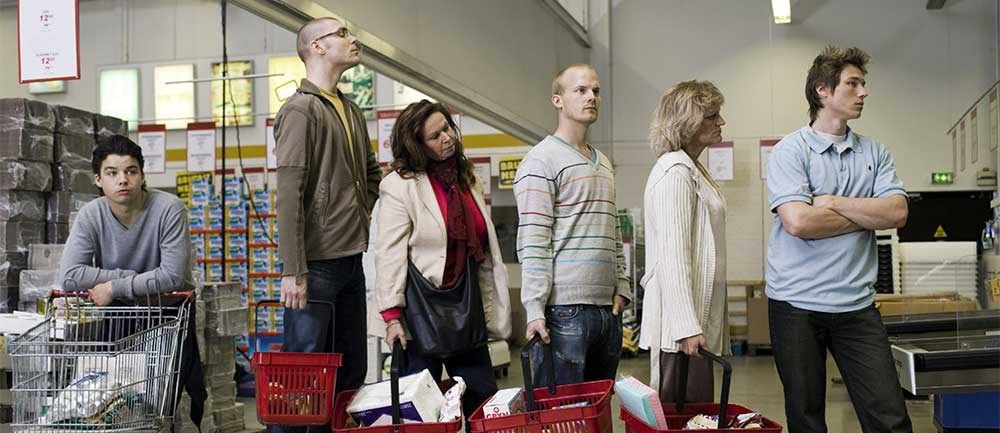
Why Queue Mismanagement Is the Fastest Way to Lose Sales
Queues form faster than most retailers realise. In many formats, especially convenience, pharmacy, quick commerce, and high-footfall urban retail, a delay of even a few minutes can materially affect conversion. By the time a queue becomes visibly problematic, sales loss has often already occurred. What …
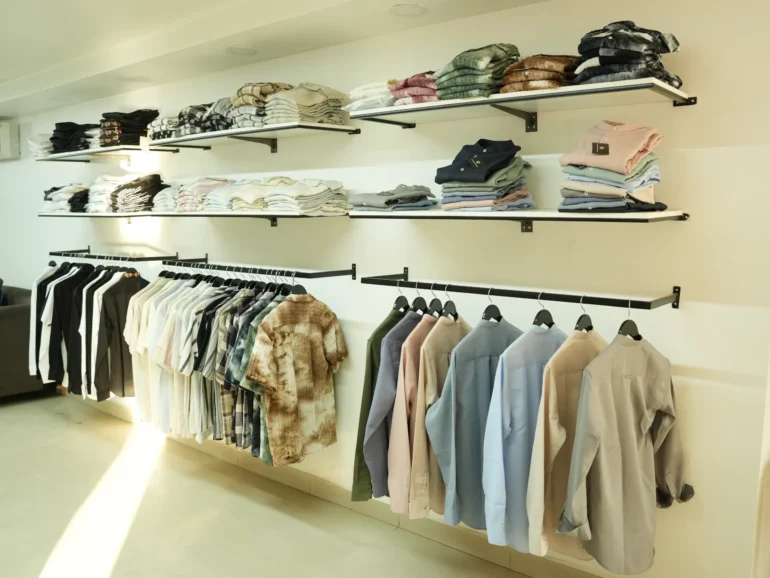
Why Before-After Photos Hide the Real Retail Problem
Why Before-After Photos Hide the Real Retail Problem Before-after photos are widely used to track visual merchandising execution. They provide visible proof that issues were addressed and create a sense of control across large store networks. However, they often create a false sense of resolution. …