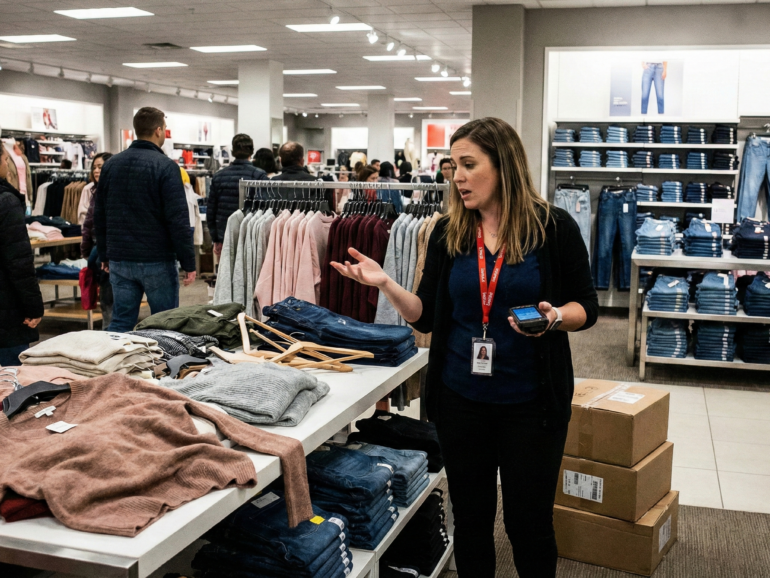



How HipHip.AI’ ops checklist connects retail execution into one system
Consistency is hardest to maintain at the store level. Even when processes are clearly defined, execution tends to vary from one location to another. A campaign is launched, but implementation varies across locations. An issue is raised, but resolution depends on follow-ups. A checklist exists, …

How AI-led checklists prevent small execution gaps from becoming big revenue problem
A global retail brand with over 1,000 stores rolls out a new campaign with clear display guidelines to be executed before store opening. Each store is expected to install signage, arrange featured products, align fixtures, and set up key display zones as per the brief. …
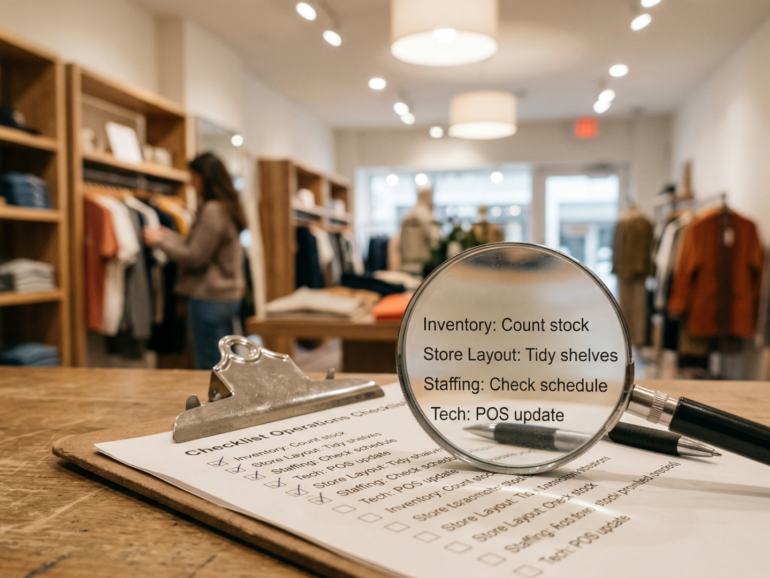
Why “completed” retail ops checklists still lead to execution gaps
Most Heads of Retail do not struggle with defining what needs to be done. They struggle with knowing whether it is actually happening. And in most cases, this entire system runs on one thing: checklists. On paper, checklist execution looks clean. Stores report high completion …

AI-driven inventory replenishment: How HipHip.AI prevents stockouts in real time
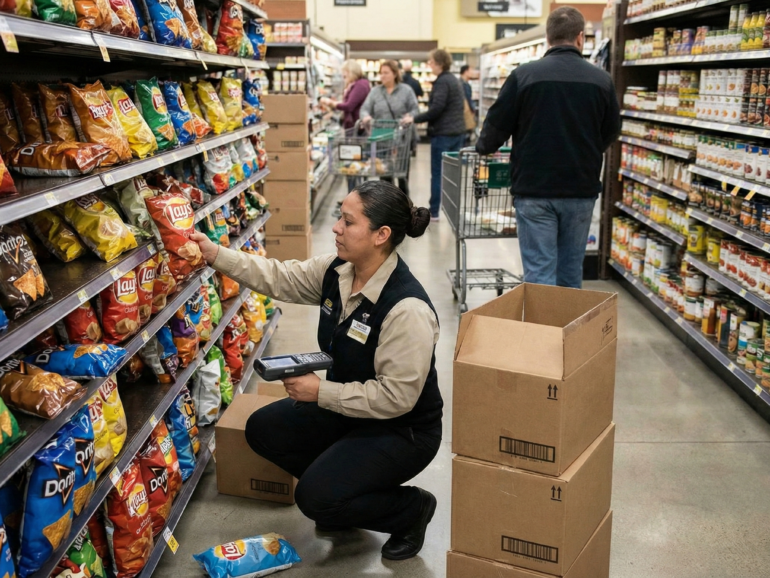
Most modern retailers already operate with inventory management systems. They can already track inventory across stores, monitor demand patterns in near real time, and forecast stock requirements with reasonable accuracy. And yet stockouts keep happening, particularly on fast-moving SKUs. The reason is no longer a …
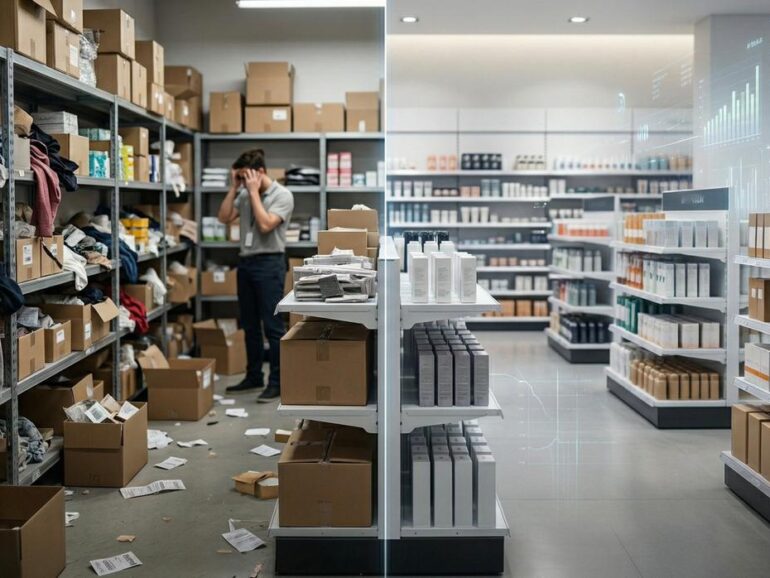
Common mistakes that lead to slow-moving inventory: AI in inventory management
Most retailers believe inventory problems come from bad forecasting. They don’t. Inventory enters the season as planned. Forecasts are reasonable. Allocation is aligned. The failure happens after that. Demand begins to deviate across stores, and the system does not respond in time.These signals remain within …
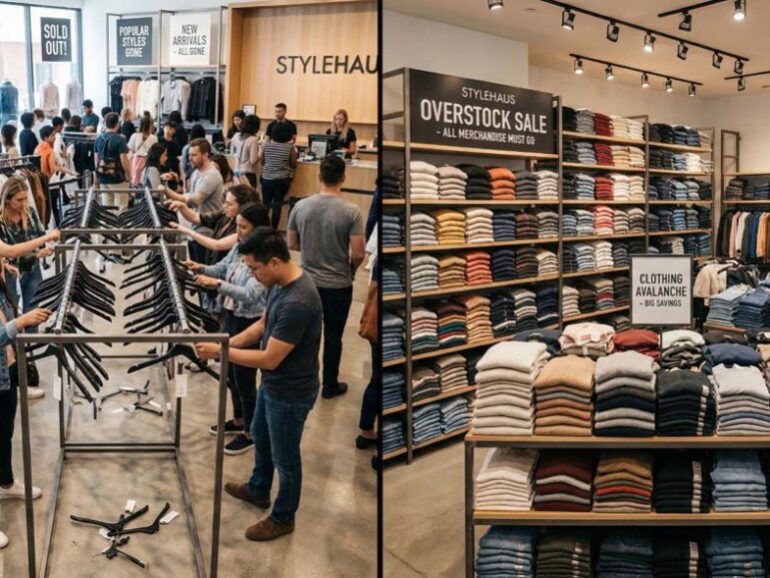
Three critical inventory blind spots to audit before festival demand hits
A fashion retailer entered the festive season fully prepared. Seasonal demand forecasts were aligned with last year’s growth. Inventory was committed early to secure supply. Stock was evenly distributed across stores to ensure availability. Within the first week, top-performing stores ran out of key styles, …

Why your replenishment system is failing (And what retailers are doing instead): 2026 guide
Inventory replenishment used to be predictable. Retailers would forecast demand at the beginning of a season, allocate inventory across stores, and then replenish stock periodically based on sales reports. The system worked reasonably well when product cycles were slower and demand patterns were more stable. …
Why campaign execution breaks differently across regions
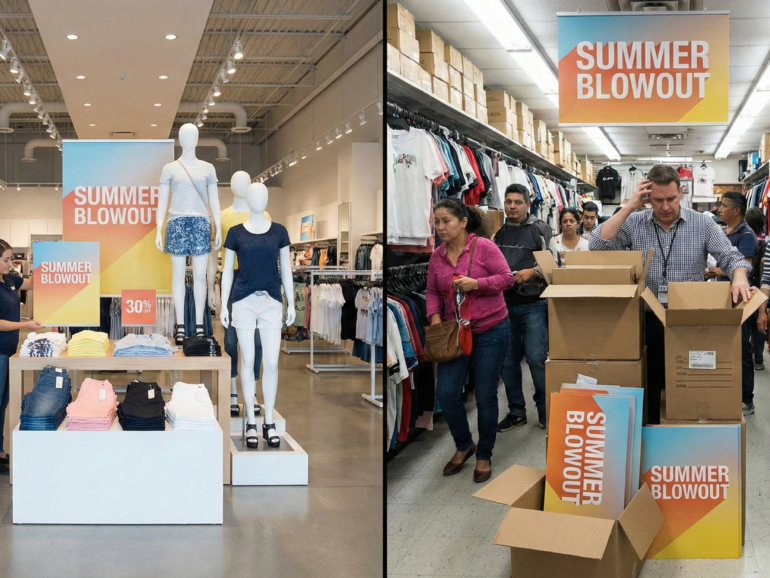
Retail campaign performance varies across regions, but teams often lack clarity on where execution breaks. Similar campaigns produce different outcomes, yet the breakdowns do not occur uniformly. They shift across regions, stores, and time windows. In some regions, campaigns are activated later than planned. In …