


Why Empty Premium Zones Quietly Lose Sales
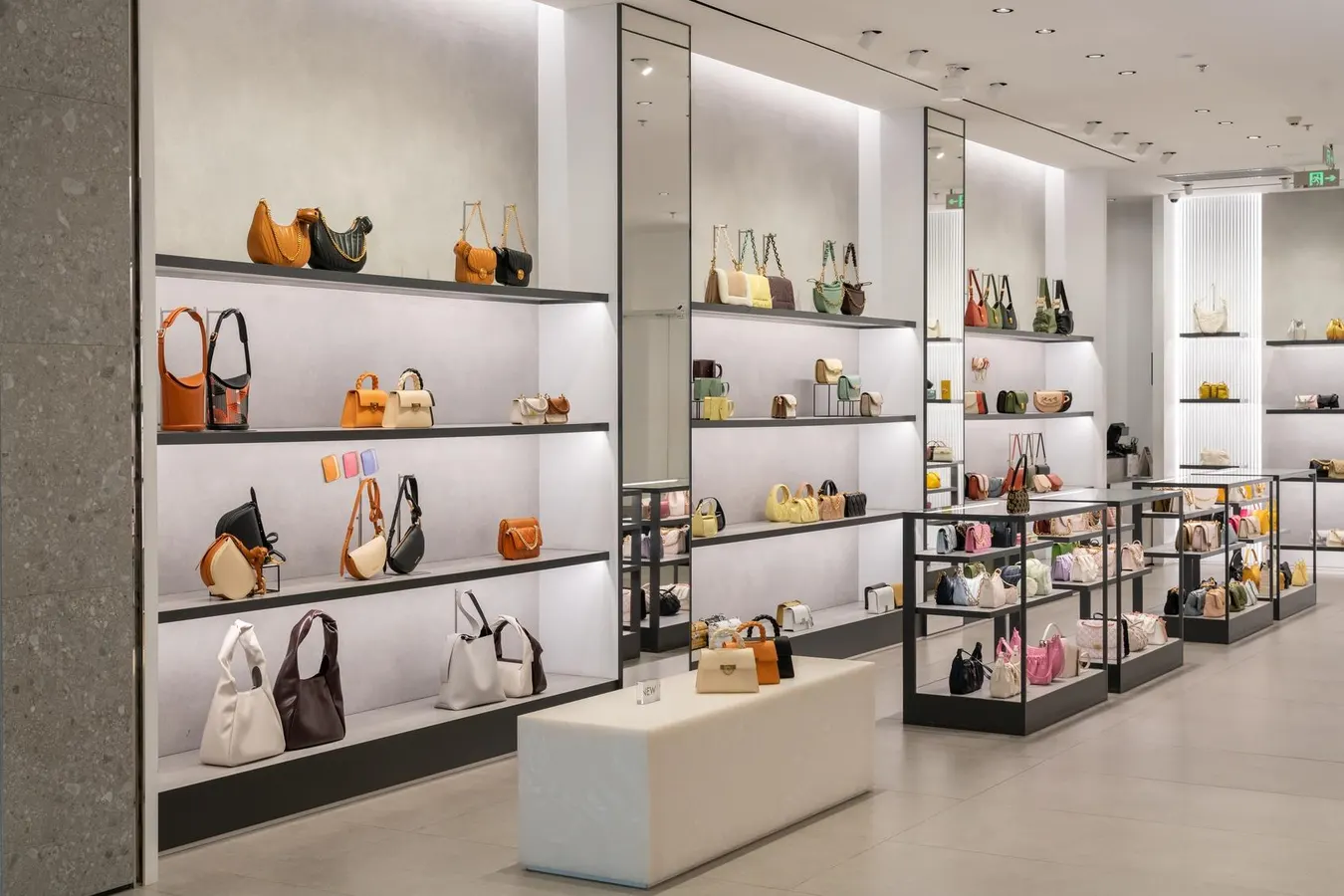
In many retail formats, certain retail sections generate higher value but require greater customer confidence to convert. Categories like beauty, electronics, and premium personal care depend more on staff presence than fast-moving staples.
Yet across multi-store networks, these zones are often left unattended for short but frequent periods, quietly affecting conversion. This blog examines why these gaps occur and how better visibility and staffing alignment can help address them.
Role of staff presence in premium buying behaviour
- Customers may need help understanding product differences, validating price points, or simply feeling comfortable spending more.
- Even when shoppers do not actively ask for assistance, the visible presence of staff reduces hesitation.
- Industry observations consistently show that when premium zones are unstaffed, customer dwell time does not always fall, but conversion does.
- Shoppers continue to browse, but fewer complete purchases. Many leave the zone with unresolved questions and defer the decision altogether.
This behaviour explains why sales leakage in premium sections often goes unnoticed. Footfall looks healthy, engagement appears normal, yet revenue underperforms expectations.
Why unstaffed gaps are more common than assumed
Most store managers believe their teams are present in priority zones for the majority of the day. However, camera-based observations across modern trade and specialty retail formats often reveal a different picture.
- In many retailers, premium zones are unstaffed for 20 to 40 percent of store hours. These gaps are rarely continuous. Instead, they appear in short intervals driven by shift changes, replenishment tasks, billing support, or ad hoc requests elsewhere in the store.
- Because these absences are fragmented, they are easy to underestimate. From a human perspective, staff feel they are “mostly present.” From an operational perspective, cumulative absence becomes significant.
This mismatch between perception and reality is one of the main reasons the issue persists.

Why traditional reporting misses the problem
Most retail reporting focuses on outcomes: sales, conversion, or average ticket size. While useful, these metrics do not explain why performance changes.
Staffing schedules may show adequate coverage on paper, but they do not capture real-time movement or zone-level presence. Manual audits and checklists provide snapshots, not continuous visibility. As a result, premium zones can remain unstaffed repeatedly without triggering corrective action.
This is why the issue often persists even in well-managed stores. Without objective visibility, it is difficult to distinguish between structural gaps and one-off exceptions.
Using camera analytics to guide better decisions
When retailers introduce camera analytics for zone-level visibility, patterns that were previously invisible begin to surface. Instead of relying on perception or manual checks, teams gain objective insight into how premium zones are actually staffed across store hours. This makes it possible to identify:
- which premium zones are most frequently unattended
- when staffing gaps occur during the day
- how long these gaps typically last
- how they correlate with conversion or customer dwell behaviour
With this level of visibility, managers can make small but effective adjustments. Minor changes to shift overlap, task sequencing, or peak-hour deployment often restore staff presence without increasing headcount.
For retailers evaluating how camera analytics can be applied within their own store environments can reach us at [email protected].